


The City’s Diary
A clock tower does not just measure hours; it witnesses eras. It has stood stoic while empires fell and republics rose. It has seen lovers meet in its shadow, protesters gather at its base, and pigeons nest in its eaves. This page is not about architecture or mechanics. It is about the human stories that vibrate in the air long after the bell has stopped ringing.
"The clock is the only trusted confidant of the city; it keeps everyone's secrets, yet tells the time to all without discrimination."
In this section, we do not link to external pages. We invite you to slow down and scroll. Here, we open the dusty ledgers of the past to reveal urban legends, forgotten rituals, and the photographic evidence of how our cities have changed around these constant sentinels.

The Urban Memory
History is written in books; legends are whispered in squares. Every clock tower has a ghost, a curse, or a romantic tragedy attached to it. Here are the three most enduring myths from the Anatolian heartland.

The Exile of Sarayburnu
The Myth: Legend says this clock originally stood in Istanbul's Topkapi Palace. However, one of the Sultan's favorite concubines complained that its bell rang too loudly, disturbing her sleep (or in some versions, holding a baby).
The Fate: Angered, the Sultan ordered the clock to be dismantled and "exiled" to Kastamonu, a distant province, where its bell could ring without disturbing the Imperial court.
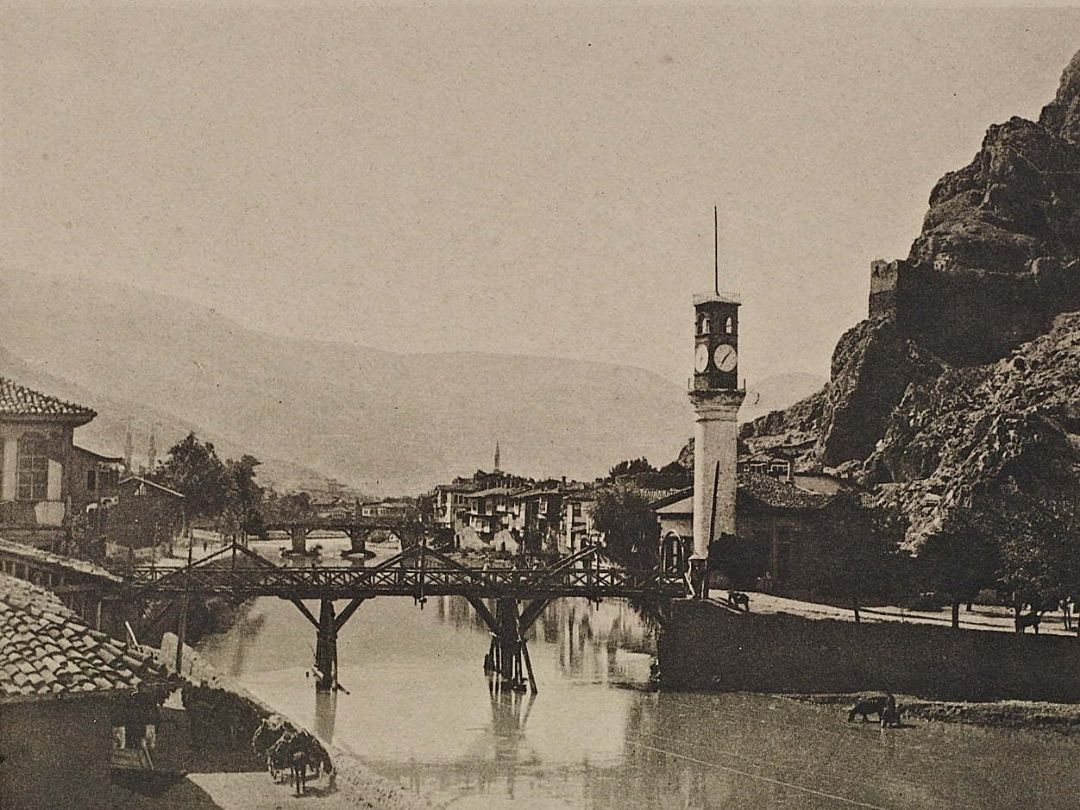
The Captain’s Curse
The Myth: During the British occupation in 1919, a British captain broke the door of the Amasya Clock Tower to hoist the Union Jack. The locals cursed him for desecrating the structure.
The Fate: Days later, during a storm, the captain was allegedly struck by lightning (or killed in a sudden accident), cementing the belief that the tower protects itself against invaders.
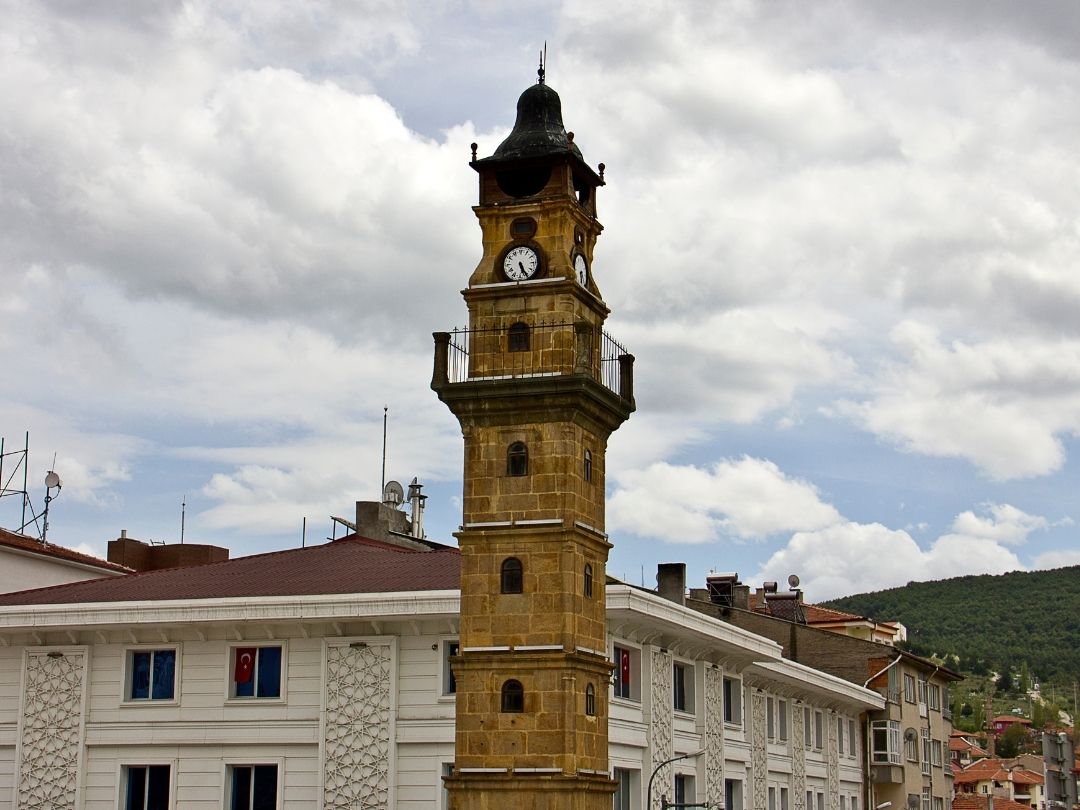
The Mayor's Sacrifice
The Myth: The Yozgat Clock Tower was built by Mayor Tevfikizade Ahmet Bey. It is said he used yellow cut stone to mimic gold.
The Fate: The legend claims the bell was so heavy (250 kg) that it had to be lifted by 7 strong men. The tower is known as the "Sentinel of Sorrow" because its bell's tone is notably melancholic, said to mourn the young men lost in wars.
Enrich Your Exploration

Four Seasons:
Bosphorus, Perfected


Garenta: Discover More of Istanbul
the landmarks; experience the
real city. Garenta offers the freedom to discover Istanbul's hidden treasures at your own pace.

In wooden Ottoman cities, time was a secondary concern to fire. Many clock towers (like Bursa Tophane) doubled as fire lookouts. The watchman who wound the gears also scanned the horizon for smoke, making the tower a guardian of both the hours and the homes.
Journey with Confidence
Acıbadem Hospitals Group: Global Excellence in Healthcare
While you immerse yourself in the rich history of Istanbul, your well-being is protected by a future-focused healthcare leader. Acıbadem provides world-class medical services, from comprehensive health screenings to advanced treatments, all delivered with a commitment to your safety and comfort.
Travel with the assurance that you and your loved ones are in the most capable hands.

The Time Regulation Institute
In Turkish literature, the clock tower is often a symbol of the tension between East and West. Ahmet Hamdi Tanpınar’s masterpiece, The Time Regulation Institute, satirizes this obsession with synchronization. For the character Nuri Efendi, a clock was not a machine; it was a living entity with a soul.
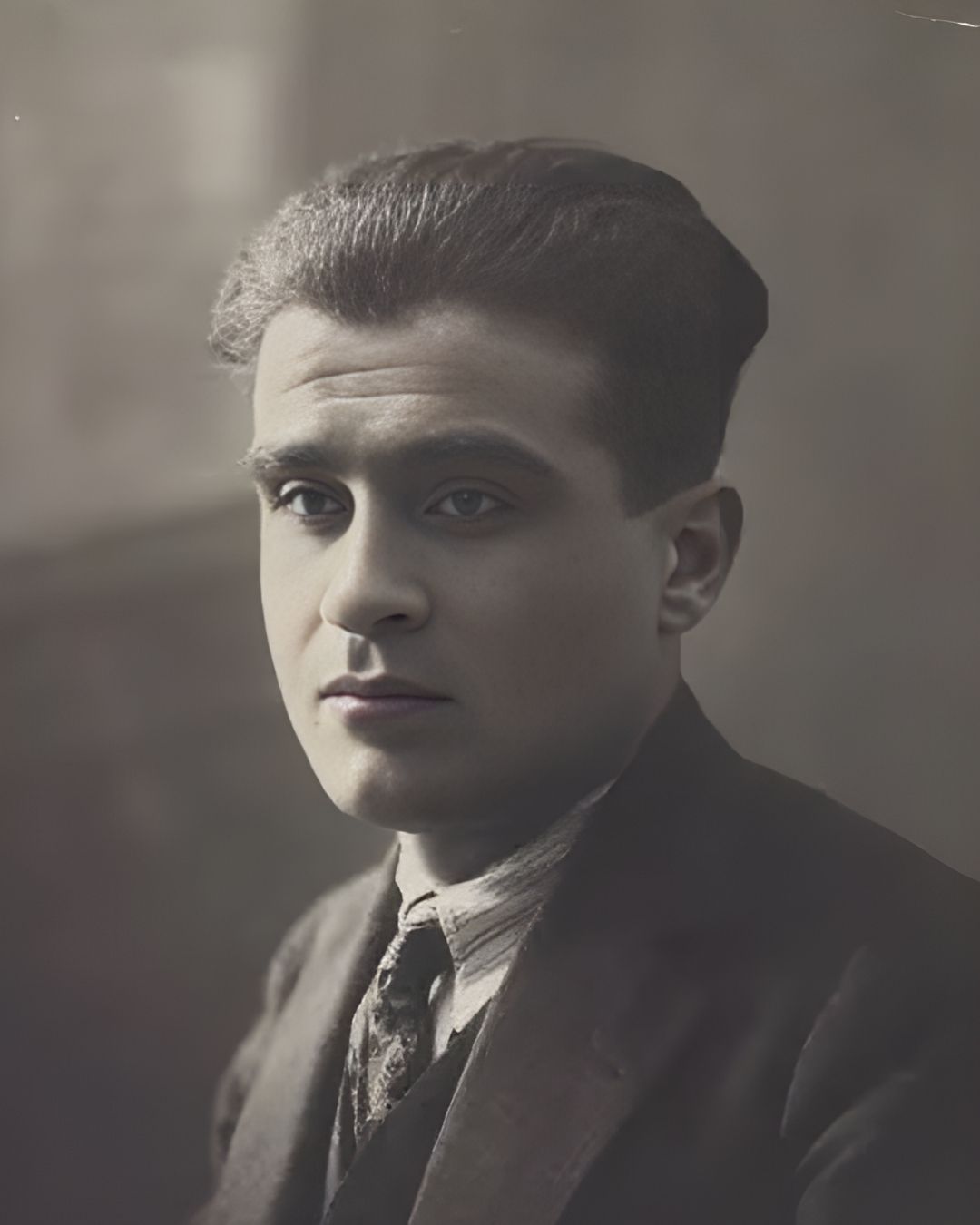
"The Clock is Space..."
"In my opinion, the clock is the most secular of all inventions. It belongs to earth, not heaven."
So speaks Halit Ayarcı in Tanpınar's novel. The book explores the absurdity of trying to align the "spiritual time" of the old Empire with the "secular time" of the new Republic. The clock towers in our squares are the silent protagonists of this cultural tug-of-war.
Discover more with FAQ
How did the phrase "Let's meet under the clock" become a universal social contract?
Before the era of mobile phones and instant communication, punctuality was difficult. The Clock Tower was the only “Absolute Coordinate” in the city—both visible and audible. It offered a precise, shared reality in a chaotic world. To agree to meet under the clock was a binding pact, as there was no way to reschedule once you left home.
How did the transition from the Ottoman Empire to the Republic affect these towers?
The towers became the physical battleground of the “Time Revolution.” In 1925, Turkey officially switched from the lunar “Alaturka” time to the solar “Alafranga” (Western) system. Consequently, the dials of almost every clock tower were physically replaced or repainted, changing from Arabic/Ottoman numerals to Latin numbers, marking a sharp visual break in the city’s memory.
What role did the clock tower play in the "Soundscape" of the old city?
In a pre-industrial city without traffic noise, the bell of a clock tower could be heard for miles. It defined the “sonic territory” of the town. The number of strikes regulated the opening of the bazaar, the start of school, and even the city curfew. The tower didn’t just show time; it spoke it.
Why are there so many "Ghost Towers" in archival photos that no longer exist?
Clock towers are tall, slender masonry structures, making them structurally vulnerable. Many were lost not to war, but to the devastating earthquakes of Anatolia (1939, 1999, 2023). Others were victims of “urban modernization” in the 1950s, demolished to widen roads for cars, erasing parts of the city’s vertical memory.
Is there a connection between Clock Towers and public executions?
Yes, historically. As the central focal point of the city where the maximum crowd could gather, the square beneath the Clock Tower was often the site of state announcements and, in darker times, public executions. This adds a layer of solemn gravity to these squares; they are places of both celebration and judgment.

The Rituals of the Square
A clock tower is a social anchor. It is the default coordinate for lost tourists, the waiting spot for nervous lovers, and the podium for the state. Over the last century, specific rituals have crystallized around these stone shafts.
"Under the Clock"
The Iftar Cannon
The Witness of State