


The Stone Sentinels
A Living Archive of Clock Towers Defining Our Cities
A clock tower is never just about telling the time; it is the heartbeat of a square, the silhouette of a skyline, and the silent witness to history. From the gilded imperial structures of the Ottoman era to the towering stone guardians of Europe, these monuments bridge the gap between the mechanical precision of time and the chaotic flow of urban life. Welcome to the definitive collection archive of clock towers, where we explore the architecture, the mechanism, and the soul of every clock tower that stands watch over us.
The Timeless Selection
We have handpicked the most defining stories from our archive. From the intricate gears of a restoration project to the marble silhouettes facing the sea, explore the multifaceted archive of the clock towers. These are the sentinels that do not just measure hours, but define the eras they stand in.

The Marble Heart of Smyrna: Izmir Clock Tower
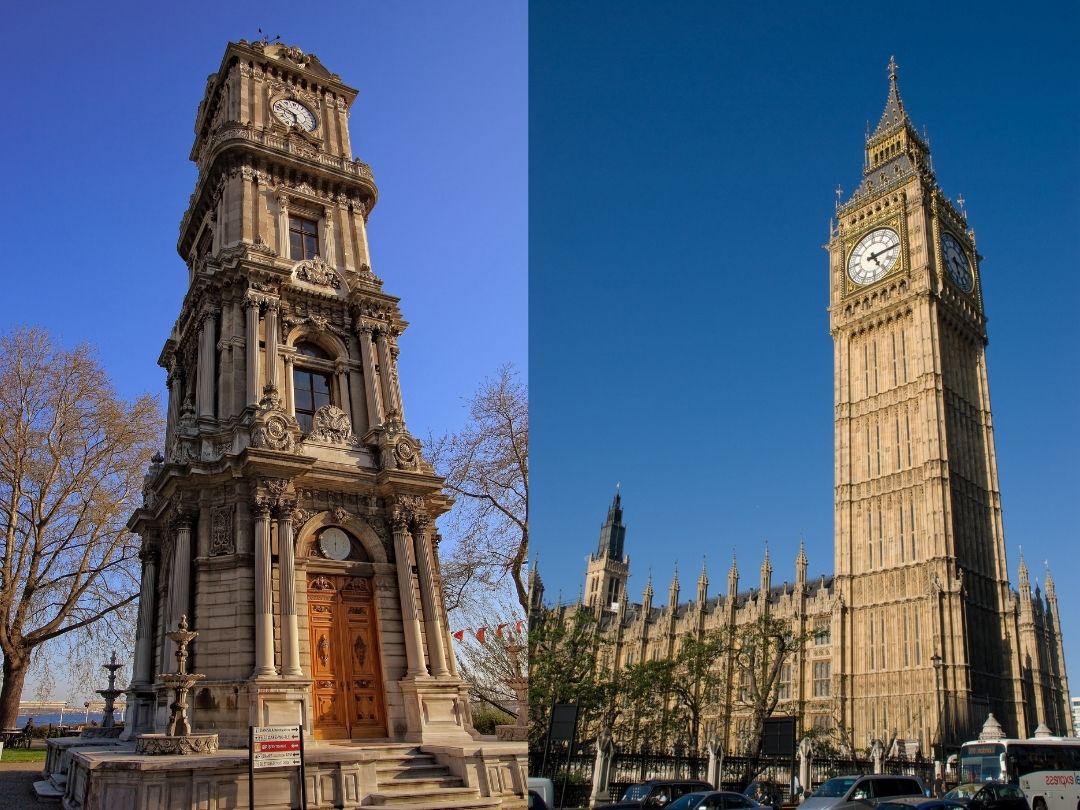
Imperial Icons: Istanbul vs. London

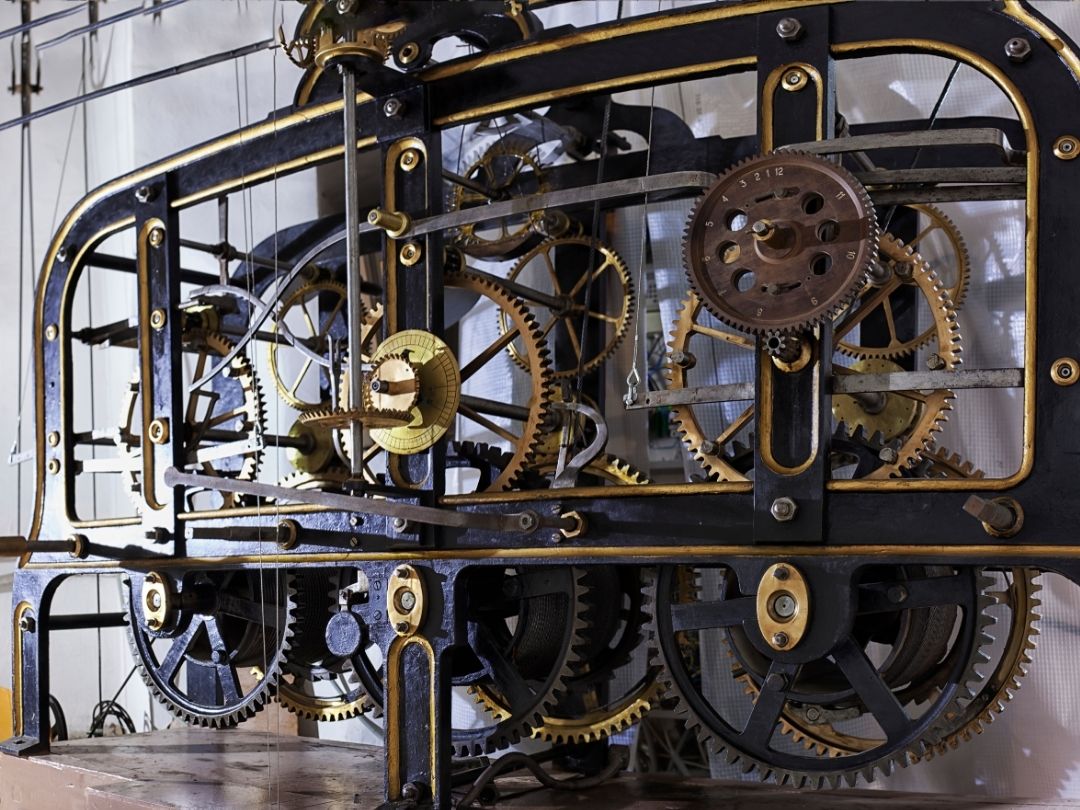
Reviving the 1901 Dial

Mapping Archive of Clock Towers
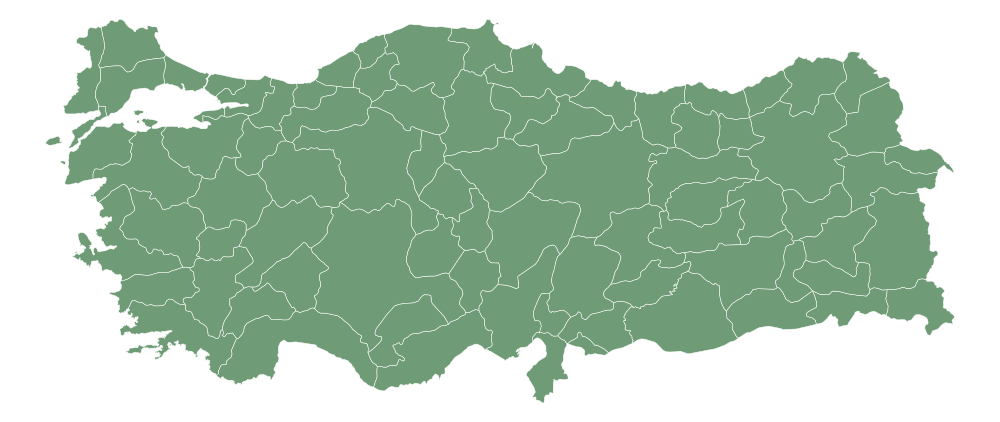
Anatolia is a land where time is etched in stone. From the imperial silhouettes of Istanbul to the rugged stone sentinels of the East, every dot represents a heartbeat. Explore our interactive map to locate every historical clock tower across the region—witnessing the legacy that stretches from the Balkans to the borders of Mesopotamia.
Select a Sentinel
Click on the pulsing points on the map to reveal the identity of the tower. Each location holds a unique story of architecture, mechanics, and urban memory waiting to be discovered.
Enrich Your Exploration

Four Seasons:
Bosphorus, Perfected


Garenta: Discover More of Istanbul
the landmarks; experience the
real city. Garenta offers the freedom to discover Istanbul's hidden treasures at your own pace.

Stories from the Stone Sentinels
Every tower has a tale. Beyond the ticking hands and striking bells, these structures hold the secrets of sultans, merchants, and cities. Delve into our latest editorial stories uncovering the history, politics, and architectural brilliance behind the stone.
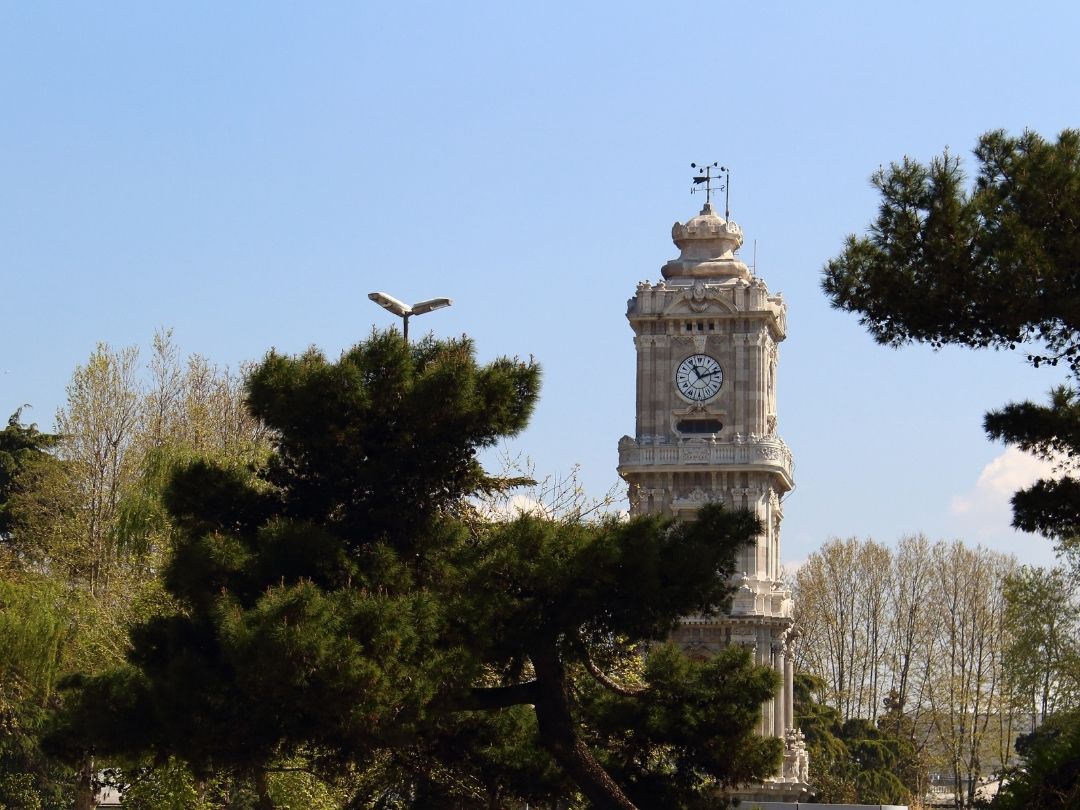
The Palace’s Timekeeper: Dolmabahçe
Standing between the Bosphorus and the Palace, this clock tower represents the modernization of the Ottoman Empire and the shift towards Western timekeeping standards.
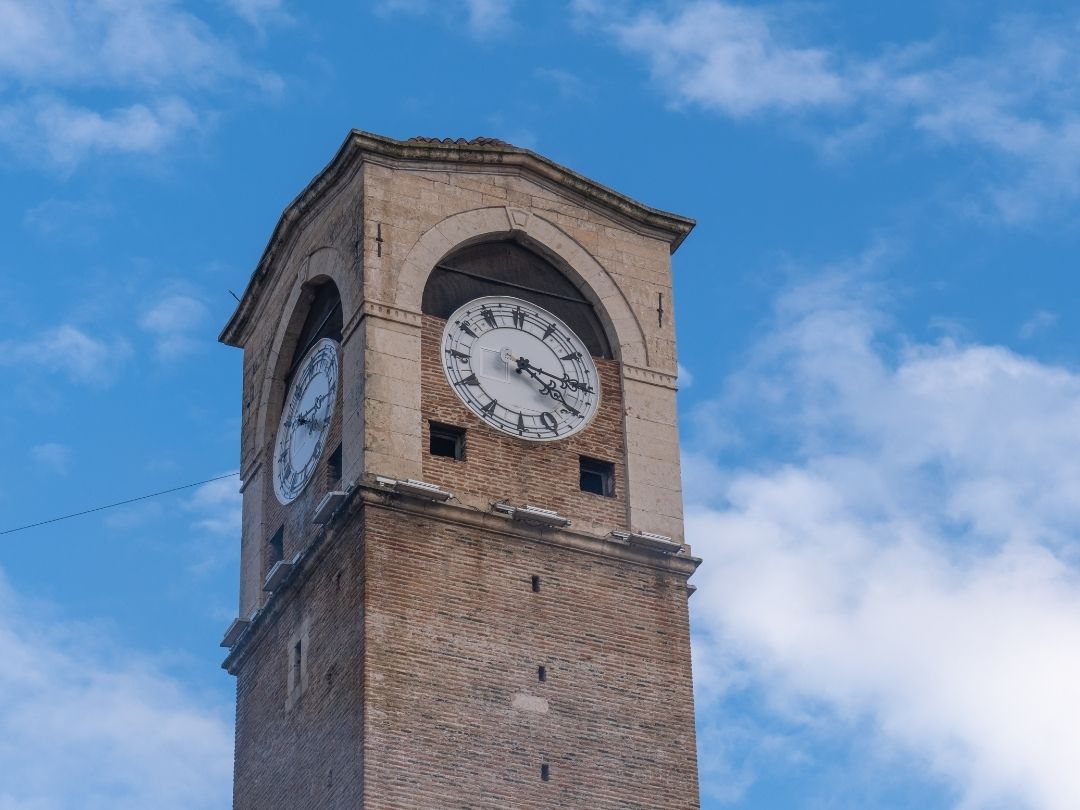
The Tallest Guardian: Adana Büyük Saat
Rising above the ancient bazaar, this structure is the tallest historical clock tower in Turkey, keeping the rhythm of trade and prayer for over a century.

The Witness of the Dardanelles
Built by an Italian merchant but embraced by the Ottomans, this tower has survived wars to tell the time to generations of travelers crossing the strait.
Historically, a clock tower was the supreme authority of time. Before personal wristwatches, the entire city synchronized its trade, worship, and social life to the gong of the central tower. It was, in essence, the "server" of the pre-digital age.
Journey with Confidence
Acıbadem Hospitals Group: Global Excellence in Healthcare
While you immerse yourself in the rich history of Istanbul, your well-being is protected by a future-focused healthcare leader. Acıbadem provides world-class medical services, from comprehensive health screenings to advanced treatments, all delivered with a commitment to your safety and comfort.
Travel with the assurance that you and your loved ones are in the most capable hands.

The Pulse of the Square
A clock tower is not an isolated monument; it organizes the life around it. From the clinking of tea glasses in Bursa to the sea breeze in Izmir, discover the rituals, flavors, and rhythms that thrive in the shadows of these giants.



Discover more with FAQ
What is the primary function of a clock tower historically?
Historically, a clock tower served as the central timekeeper for a community. In an era without personal watches, the tower’s bells signaled the start of the workday, market hours, and times for prayer, regulating the flow of civic life.
Which is the oldest clock tower in Turkey?
While there are debates, the Safranbolu Clock Tower, built in 1797 by Grand Vizier Izzet Mehmet Pasha, is widely considered the oldest standing clock tower in Turkey that still retains its original function.
What is the difference between a clock tower and a muvakkithane?
A clock tower is a tall public structure designed to display time to the masses visually and audibly. A muvakkithane (timekeeping house), common in the Ottoman era, was a smaller building usually attached to a mosque where astronomers calculated precise prayer times based on the sun.
Can we visit the inside of these clock towers?
Access varies by location. Some iconic structures like the Galata Tower (historically a fire tower, but relevant) are museums open to the public. However, many historical clock towers like Dolmabahçe or Izmir are closed to internal entry to preserve their delicate mechanical movements, though their exteriors remain public landmarks.
How does a mechanical clock tower work?
A traditional mechanical clock tower operates using a system of heavy weights and a pendulum. Gravity pulls the weights down, driving the gears, while the pendulum (escapement) regulates the release of energy, ensuring the hands move at a precise, constant speed.
Why do many clock tower dials display 'IIII' instead of 'IV' for the number four?
This is a tradition known as the “Watchmaker’s Four.” It is chosen strictly for visual symmetry. On a circular dial, using IIII creates a perfect visual balance with the heavy VIII (8) on the opposite side. Using IV would look too light and disrupt the aesthetic harmony of the face.
What was the relationship between Ottoman clock towers and the Adhan (call to prayer)?
In the Ottoman context, clock towers were not meant to replace the Adhan but to support it. They were frequently constructed near central mosques (Camii) to ensure the Muezzin’s call was synchronized with mechanical precision, harmonizing spiritual time with secular, civil time.
Why did Sultan Abdulhamid II build so many clock towers across the Empire?
To mark the 25th anniversary (Jubilee) of his ascension to the throne in 1901, the Sultan issued an imperial decree encouraging governors to build clock towers. It was a strategic symbol of modernization, state authority, and a public gift that standardized time across the vast Ottoman lands.
Why are clock towers structurally vulnerable to earthquakes?
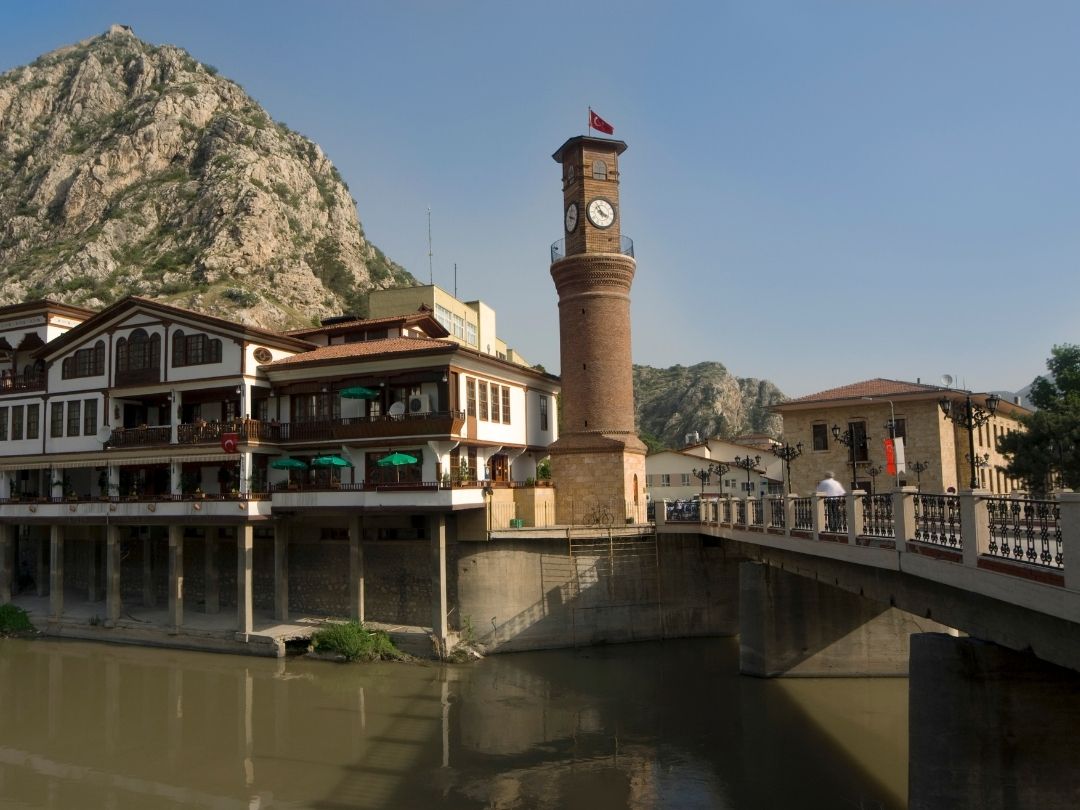
Due to their high height-to-width ratio and the heavy load at the top (where the bell and mechanism sit), these structures act like inverted pendulums during tremors. This is why many iconic towers, like those in Amasya or Adapazarı, have collapsed and been rebuilt multiple times throughout history.
What determines the height of a clock tower?
Functionality, not just vanity. The height was calculated so that the clock face could be seen from the city’s main market, and more importantly, so the sound of the bell could travel above the rooftops to the furthest neighborhoods, regulating the daily life of the entire town.
